
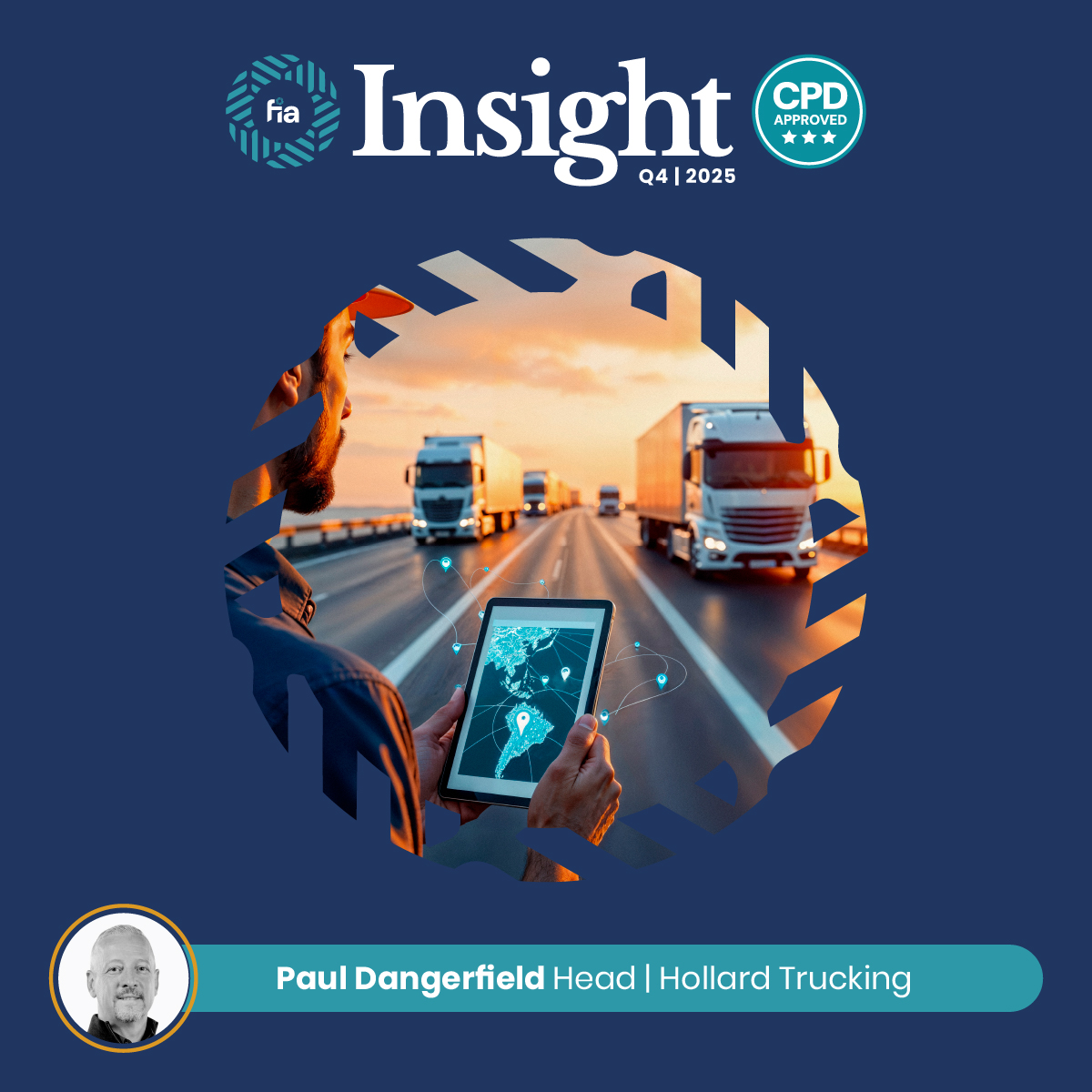
After nearly two decades in commercial transport insurance, I’ve seen technologies come and go. Few have had the drastic impact of Artificial Intelligence (AI) camera technology.
Fleets that use smart camera systems effectively are already seeing far fewer accidents, drastically improved driving and better operational control. These aren’t fringe benefits. In a sector that moves goods, people and the economy, they’re central to staying competitive and sustainable.
Remote control
The results speak for themselves. At Hollard Trucking, our Highway Heroes campaign, which seeks to enhance road safety by recognising excellence in commercial driving, offers clear evidence of the difference smart camera technology can make.
Early systems were limited to GPS tracking – useful, but basic. Modern telematic systems capture real-time data on harsh braking, speeding, harsh cornering and extended driving hours, among other factors. This level of detail gives fleet managers a clearer view of what’s happening on the road. When they turn this data into action, that is where the real power of telematics lies.
Smart camera technology adds a new dimension to telematics, with the early detection of driver distraction and fatigue. The focus is on changing behaviour before it leads to an incident. In other words, identifying root cause driving behaviours that lead to collisions, and then engaging with and empowering drivers through effective driver coaching.
Hitting the targets
Our 2024 data show a measurable shift. Among new Highway Heroes participants, we saw a double-digit improvement in driving behaviour between January and December. That’s based on several key indicators:
– Reductions in harsh cornering events
– Decreases in excessive day and night driving
– Fewer “bad driving” incidents per kilometre driven – our core safety metric
Our double-digit target was ambitious and it translates into thousands of risky driving incidents avoided over millions of kilometres. Each percentage point matters – because each one represents fewer accidents, fewer injuries and lives potentially saved.
Working smarter
There’s a tendency to view telematics as a compliance tool to satisfy insurance requirements. That misses the bigger picture. When implemented properly, telematics has the potential to reshape how fleets manage risk, cost and performance.
Here’s where the data deliver the biggest change:
Cost: Better driving reduces fuel consumption, limits wear on vehicles and lowers maintenance bills.
Risk: Poor driving patterns can be addressed before they lead to major incidents.
Efficiency: Routing, fleet use, and vehicle health are easier to manage with real-time data.
Sustainability: Cleaner driving and better planning reduce carbon output and support environmental goals.
That said, technology alone isn’t enough. Our experience shows that sustainable improvements come when telematics is part of a broader programme.
The best results come from:
- Implementing the right telematics systems
- Using the data to shape meaningful driver development
- Incentivising change
- Tracking results consistently
- Focusing on long-term improvement
 The competitive edge in logistics increasingly belongs to operators who can turn data into action. Our experience confirms what many fleet managers already know: what gets measured, improves. Any drop in adverse driving events is a sign that better outcomes are possible – with the right tools and the right approach.
Our tenth anniversary edition of Highway Heroes is well under way and our focus remains the same: continuing to improve road safety using telematics and smart camera technology, combined with targeted incentives and a culture of accountability.
For those still weighing the decision, the real question is no longer “Can we afford to invest in smart camera technology?”but rather, “Can we afford to run fleets without it?”