Chief Executive Officer vacancy
The FIA is seeking an accomplished and commercially minded Chief Executive Officer to lead the organisation through its next phase of growth and influence.

The FIA is seeking an accomplished and commercially minded Chief Executive Officer to lead the organisation through its next phase of growth and influence.

The insurance and financial services industry has never faced a shortage of regulation. Over the years, layers of legislation, governance frameworks, compliance requirements and professional standards have been introduced to protect clients, strengthen institutions and improve accountability across the sector.

In today’s increasingly complex and uncertain business environment, investor confidence remains one of the most valuable assets any organisation can possess. Whether investing in listed companies, retirement funds, insurance products or other financial instruments, investors need assurance that the organisations entrusted with their capital are financially sound, well-governed and capable of creating sustainable value.
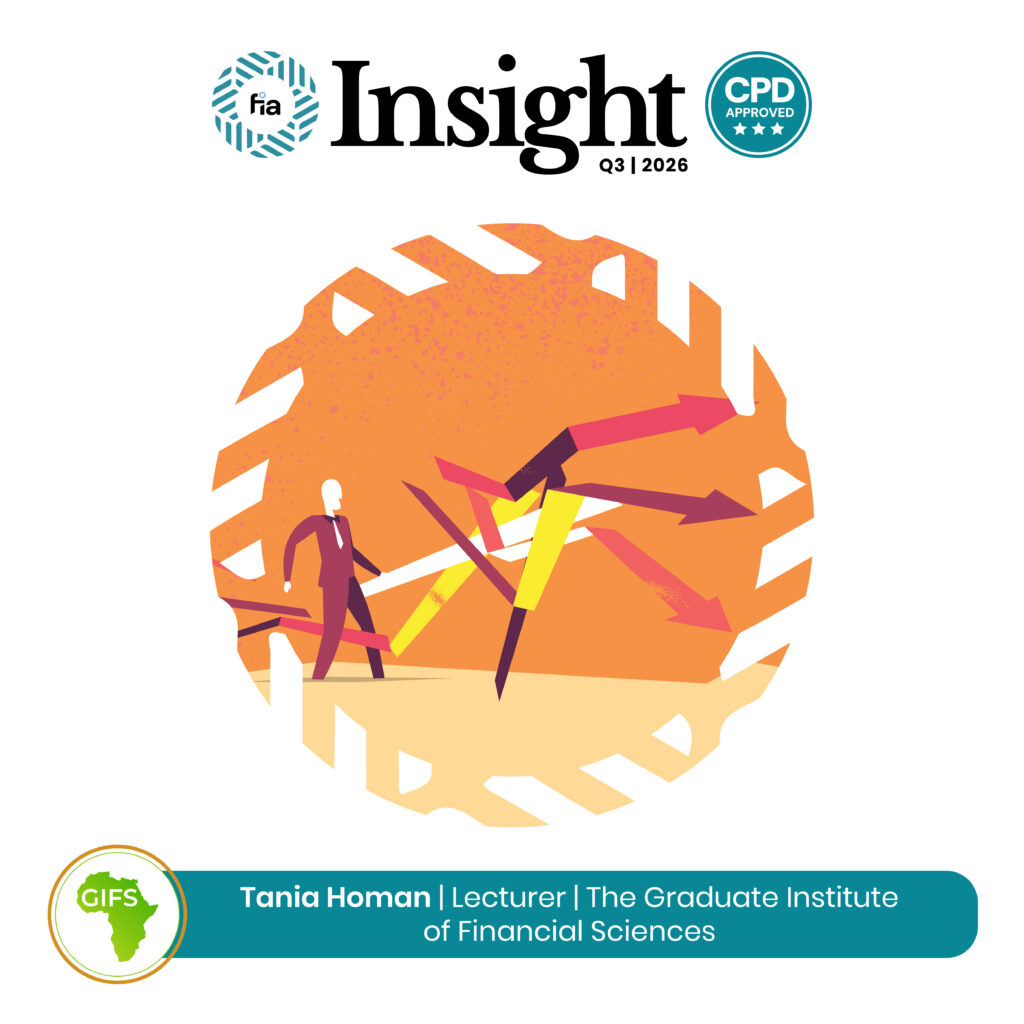
For most of the last century, risk management operated on a comforting assumption: that the sources of risk could be separated, studied individually, and managed in isolation. Technological change was an IT problem. Regulatory change was a compliance problem. Client demographics were a marketing problem. Climate was, at most, an insurance problem. Each sat in its own box, with its own specialist and its own mitigation plan.

Across the South African financial services industry, most FSPs grow the same way, whether they have three advisors or thirty. New business arrives through referrals, individual advisors prospect however they see fit, and the business itself has no structured, repeatable way of opening a market or generating a lead. It is an approach with a long track record of working well enough, right up until it does not.
The business sector is continuously evolving, with innovations impacting – and mostly empowering – it. Digitisation may not be new, but it is consistently and rapidly advancing, swiftly extending its reach and effectively integrating (sometimes obtrusively) into every aspect of life. Such technology and artificial intelligence come with some major risks, but the innumerable opportunities, especially when properly utilised, far outweigh these.

Heavy commercial vehicle insurance is not a space for shortcuts. It is shaped by significant premiums and claims, operational complexity, and the daily pressures facing South Africa’s transport sector. After 11 years in this market, one lesson remains clear to me: sustainable success is not built through a single breakthrough. It is built through discipline, attention to detail and genuine partnership.
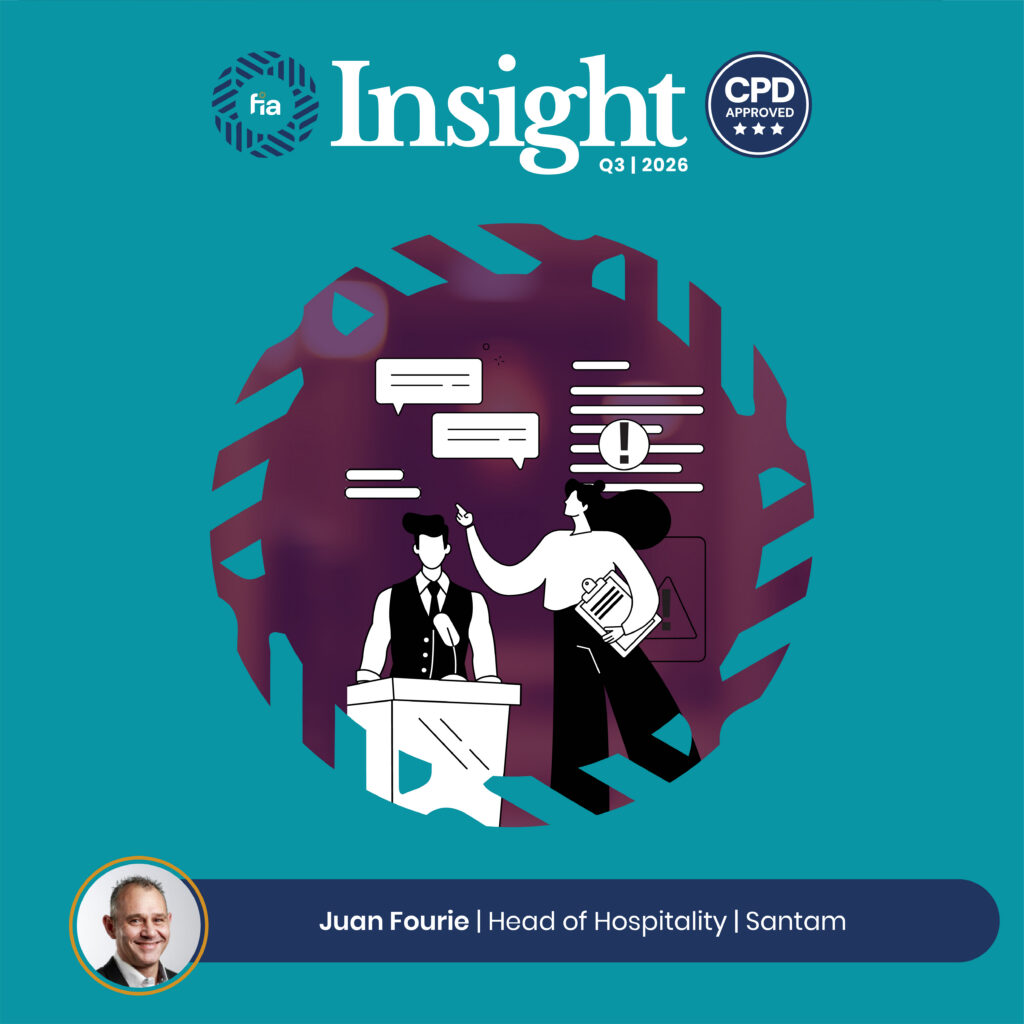
When hospitality business owners think about risk, attention often turns to the obvious exposures: fire, theft, extreme weather events, liability claims, or business interruption. While these risks remain significant, some of the most damaging disruptions emerge from a far less visible source: the operational blind spots that become embedded in day-to-day business activities.

Your 20s are a crash course in adulthood. Between your first job, submitting your first tax return, learning how to budget and figuring out what belongs in a washing machine, there’s no shortage of new responsibilities competing for your attention. Yet one responsibility that often gets overlooked is healthcare cover.
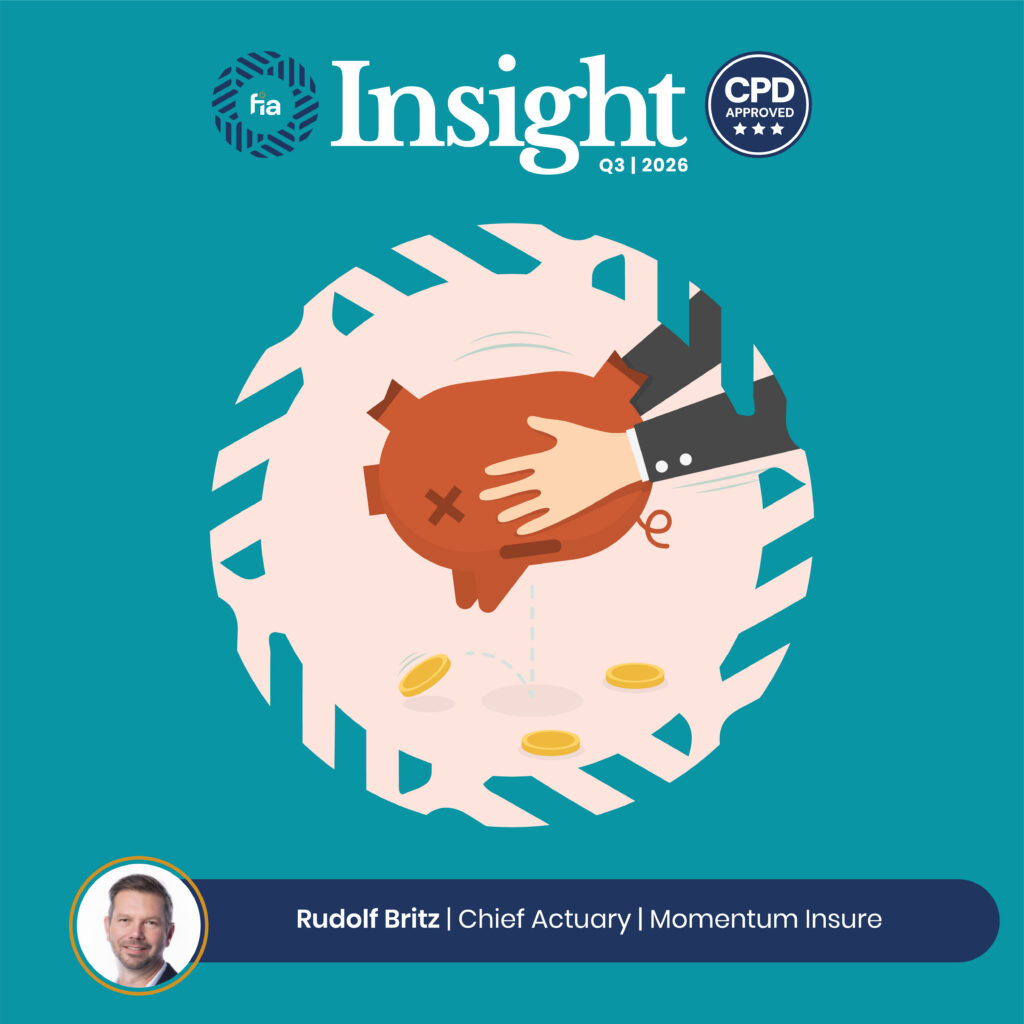
The 2025 Absa/SACCI BMR Small Business Growth Index (SBGI) H1 found that 52.8% of South African small and medium enterprises (SMEs) are facing growing pressure from rising costs and everyday operational challenges. Yet while many business owners focus on preparing for major disasters, it’s often the smaller, everyday disruptions that quietly have the greatest impact on a business’s long-term resilience.
Two clients can hold identical policies and walk away with completely different relationships to their own protection: one reassured, one resentful; one who renews without a second thought, one who feels quietly overcharged for something they never understood.
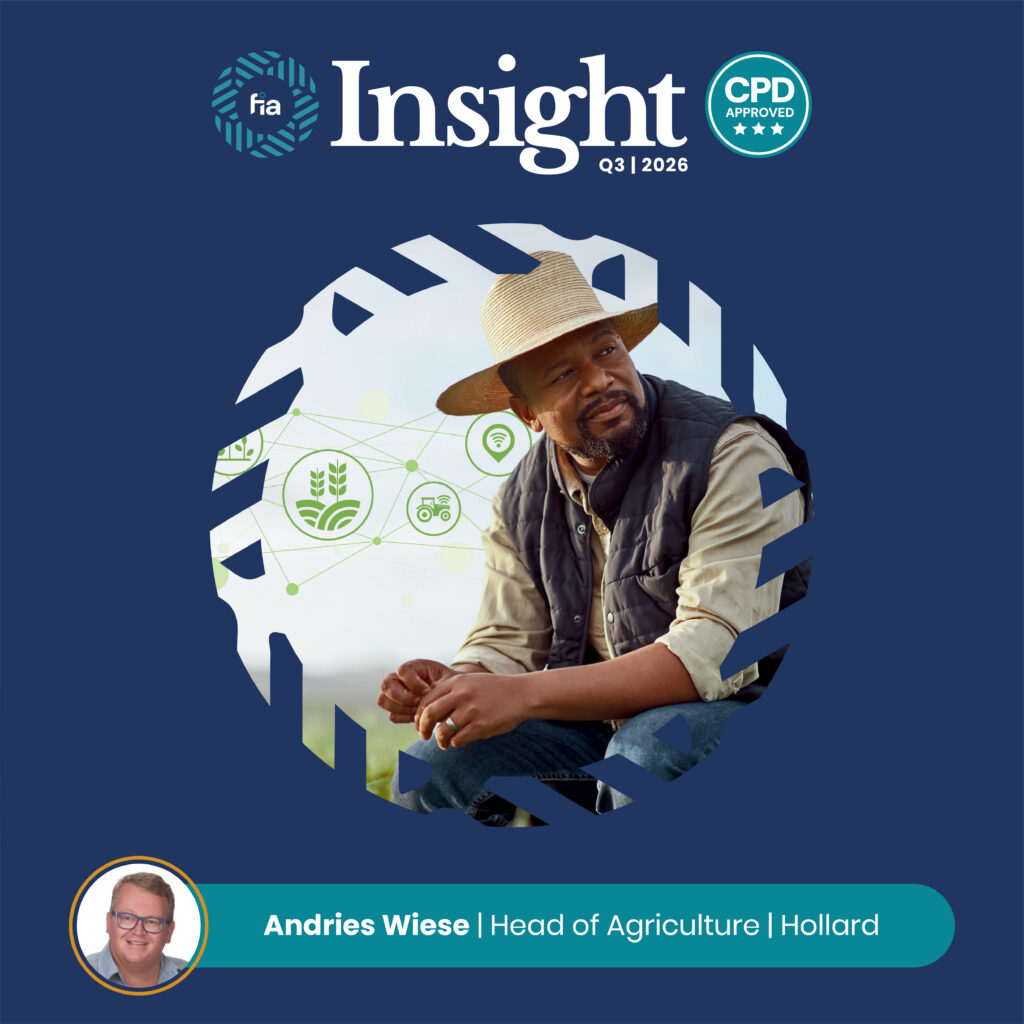
The evolution of agribusiness and the pace of technological advancement in agriculture have fundamentally changed the risk landscape. Insurers, brokers and agribusiness clients increasingly need to keep the bigger picture in mind, one that connects-the-dots across the entire value chain when assessing and mitigating risk.

CIB has underwritten short-term (non-life) risk in South Africa for many years. In that time, fire has remained one of the most expensive and least predictable risks on our book. Across the industry, fire-related losses have exceeded R60 billion over the past five years and a large part of that comes down to one uncomfortable reality that when a fire starts, the municipal service meant to respond often cannot get there in time, or in some cases, at all.
There is a sentence almost every financial adviser has heard. “I trust you. You know more about this than I do.” It sounds like a compliment. In many ways, it is. Trust is earned, particularly in an industry where people place deeply personal financial decisions in another person’s hands.
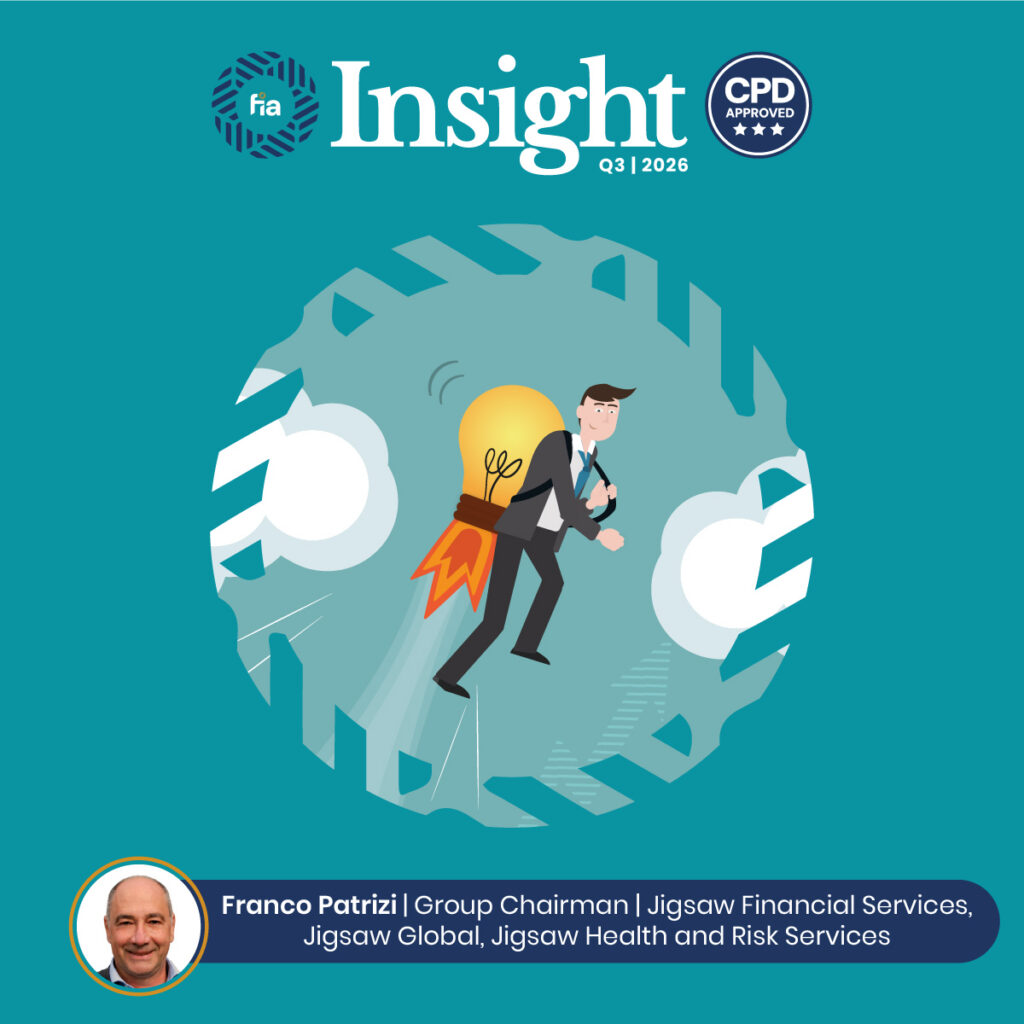
In South Africa, specialist underwriting and strong governance continue to play a vital role in stabilising portfolios, especially in volatile conditions. The market has depth, experience and regulatory maturity, but it also faces pressure from affordability, claims experience and changing client expectations.
Construction has always been one of the most complex industries to insure. Projects are capital intensive, involve multiple contractors and consultants, and often span several years before reaching completion.