
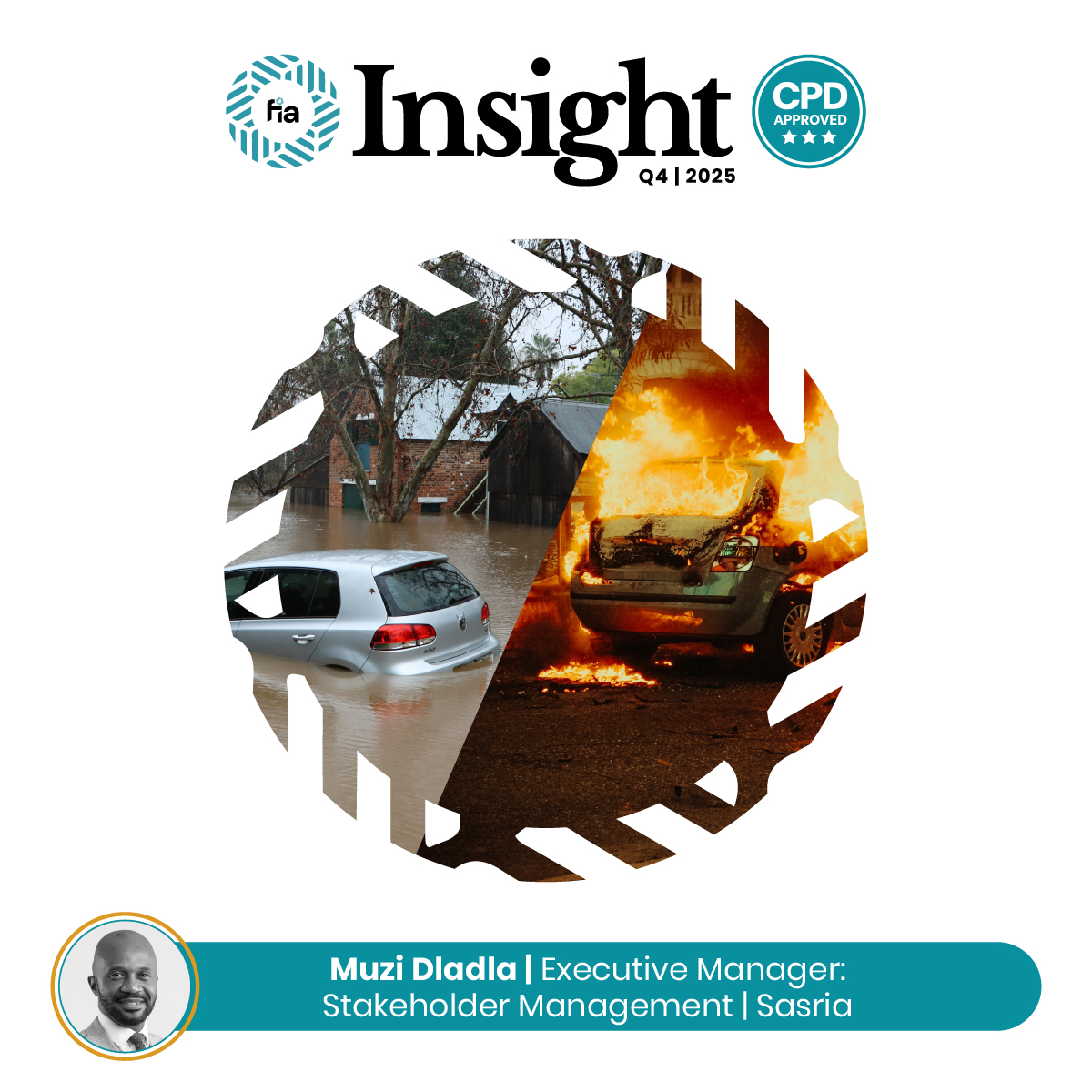
At first glance, a drought, an earthquake, a riot, and a terrorist attack all fall into the same category: catastrophes. They destroy property, disrupt economies, and strain the resilience of communities and institutions alike.
On a balance sheet, both a warehouse swept away by flood and one burnt down during unrest appear simply as losses. But in practice, how we design partnerships to manage these risks cannot be the same. What works for natural catastrophes often fails for human-driven ones – and vice versa.
Over the past few years, I’ve been studying catastrophe governance across different contexts. What I’ve found is a striking paradox: natural catastrophes are best managed through decentralised, pluralistic public-private partnerships, while anthropogenic (man-made) catastrophes demand centralised solidarity anchored by the state.
Decentralisation for natural catastrophes
Natural catastrophes, such as droughts, floods, wildfires, and cyclones are shaped by the forces of nature, and their impacts are typically unevenly distributed geographically. This unevenness allows risks to be spread and diversified. That is why natural catastrophe risk management often works best through decentralised systems where both government and the private sector play complementary roles.
For instance, in Spain, AgroSeguro was set up as a pool of private insurers sharing agricultural risks, with the state providing subsidies and regulation. Similar vehicles – like the similar agricultural insurance pool, TARSIM and the Turkish Catastrophe Insurance Pool (both in Turkey), and The United States Federal Crop Insurance Program – combine various private underwriting and insurance, as well as government subsidies and reinsurance for natural disasters.
This decentralisation offers flexibility, innovation, and local responsiveness, while the state ensures affordability and stability through subsidies and oversight.
Centralised solidarity for anthropogenic (man-made) catastrophes
Human-driven catastrophes, like political violence, terrorism, strikes, riots, and civil commotion (SRCC), are different. They emerge from social pressures, erupting suddenly, and often in urban centres or economic hubs. Their impacts are less about geography and more about symbolism – malls, warehouses, and government institutions become targets.
These events are far harder to model. Human behaviour, identity politics, and social grievances do not follow predictable statistical patterns. And when unrest occurs, it challenges not only financial resilience but also public trust in institutions.
That is why countries turn to centralised, state-backed mechanisms, like Spain’s Consorcio de Compensación de Seguros, a centralised public scheme that provides mandatory coverage for terrorism, political violence, and civil commotion, backed directly by the state.
The UK’s Pool Re, the United States Terrorism Risk Insurance Program (TRIP) and South Africa’s Sasria offer similar state-backed coverage for acts of terrorism (including public unrest). The logic here is not actuarial but political, where events carry questions of fairness, legitimacy, and trust.
A decentralised system, where private insurers could withdraw or restrict coverage, would collapse under volatility and public pressure. Centralisation ensures equity, universal coverage, and a visible demonstration that the state stands behind its citizens during times of social fracture.
Why this matters for public–private partnerships
This paradox has direct implications for how governments and insurers build partnerships:
- One size does not fit all.
- The state plays different roles.
- Legitimacy is as important as solvency. Paying claims is not enough in unrest or terrorism; citizens must believe the system is fair, visible, and backed by government commitment.
 South Africa illustrates this paradox well. Decentralised partnerships prepare for climate risks such as drought, while centralised solidarity is needed for unrest and political violence. This is where only a state-backed institution, like Sasria, can guarantee coverage and legitimacy. The challenge is not choosing between the two, but recognising which logic applies where, and structuring partnerships accordingly.
Catastrophes may look the same in financial reports, but their governance requires different philosophies.