
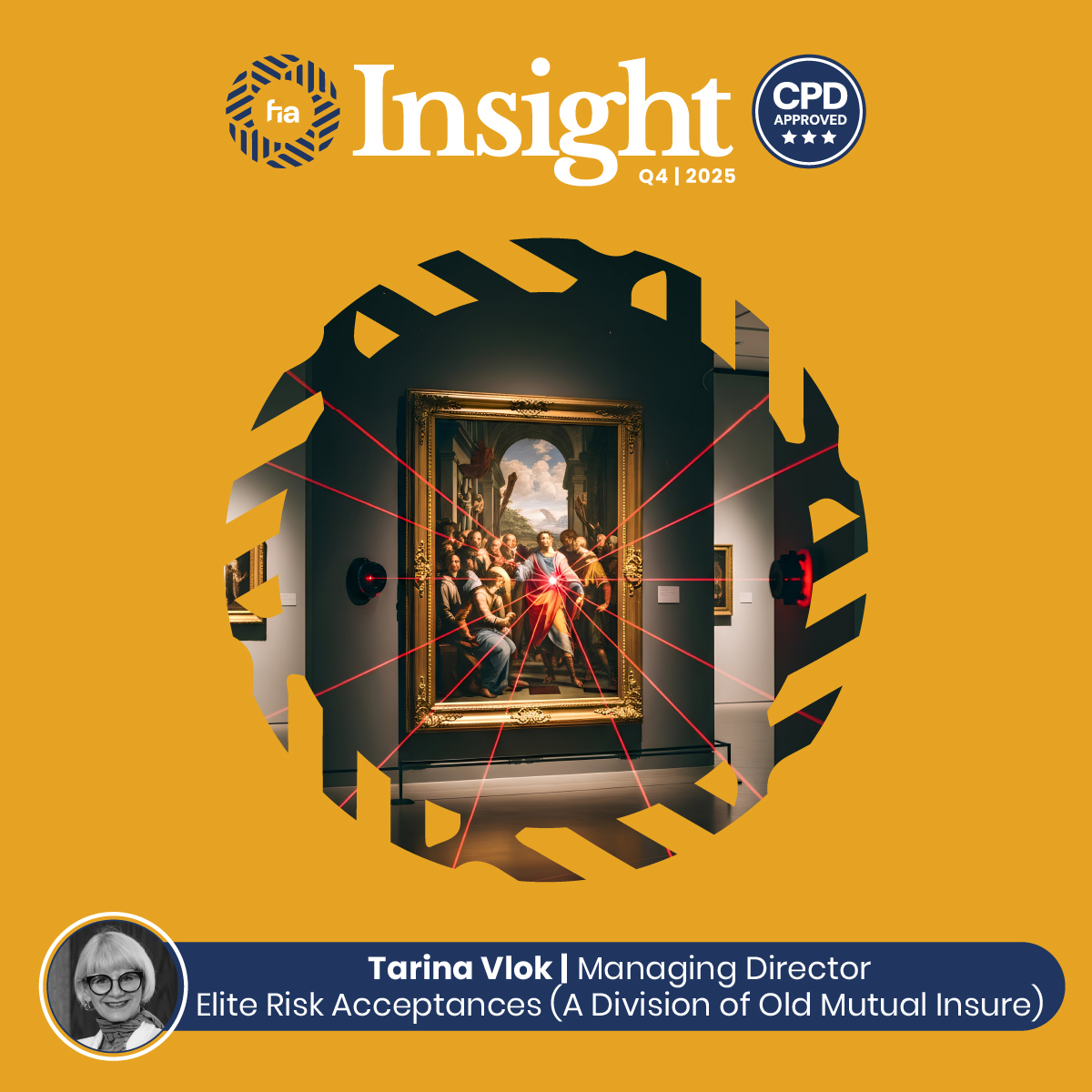
In October 2025, the world watched in disbelief as thieves executed a highprofile jewellery heist at the Louvre in Paris, walking away with irreplaceable historical pieces, including a sapphire and diamond tiara worn by Empress Eugénie and jewels gifted by Napoleon to Marie-Louise.
Using angle grinders, scooters and even a crane, the criminals removed items described as both financially immense and of “inestimable” cultural value.
This follows a broader pattern: as jewellery stores strengthen their defences, organised crime syndicates are increasingly targeting museums and galleries where high-value items may be less protected. In 2024, another Paris museum suffered a similar loss, triggering a £3 million insurance payout after robbers stole two gold-and-diamond royal artefacts.
Moving closer to home
These incidents are not as far removed from the South African reality as one might expect. In August, Pringle Bay made headlines when seven sculptures by renowned artists Anton Smit and Janko de Beer (valued at R1 million) were stolen from the FOMO Fine Art Gallery. Authorities believe the theft was meticulously planned, suggesting that high-value assets displayed in private or semi-private spaces are increasingly attractive to organised crime.
For intermediaries, these trends reinforce the need for proactive client conversations. Collectors, art lovers and owners of fine jewellery face the same threats as museums – theft, damage or loss – whether these items are displayed at home, kept in safes, worn, or loaned for exhibition.
Protecting high-value treasures
Standard household policies are not designed to accommodate one-of-a-kind items with elevated financial, sentimental, or cultural value. It is important to speak to your clients about how best to insure high-value items. Not all policies offer the same levels of cover, and clients may not understand the risks they’re exposed to.
Intermediaries should guide clients on exposures such as:
- Transit risks when transporting art from auctions or exhibitions
- Environmental risks, including fire and water damage
- Theft, particularly in a South African context where high-value targets are increasingly sought
 Security measures remain a key underwriting requirement. For collectible jewellery, appropriate safes are essential. Insurers may also stipulate whether a safe must be wallor floor-mounted.
Guidance for brokers
Here are the top conversations to have with clients:
- Discuss valuation accuracy. Clients may undervalue pieces to save on premiums, leaving them underinsured at claims stage.
- Check coverage. Confirm whether rare jewellery is covered for both market and replacement value. A mismatch can leave clients short.
- Address outdoor artwork explicitly. Larger-than-life sculptures displayed in gardens need specific cover and must be designed for outdoor exposure.
- Clarify security-related conditions. Items kept in bank vaults may attract lower premiums, but clients must comply with notification requirements when removing them.
- Encourage specialist valuations. Generic valuations often fall short for fine jewellery or unique artwork.
- Verify provenance documentation. While not a legal requirement, insurers may insist on certificates of authenticity before granting cover.
As we approach the festive season, when opportunistic and targeted crime often increases, intermediaries play a critical role in helping clients ensure their security measures and insurance arrangements truly match the value and risk profile of their collections