
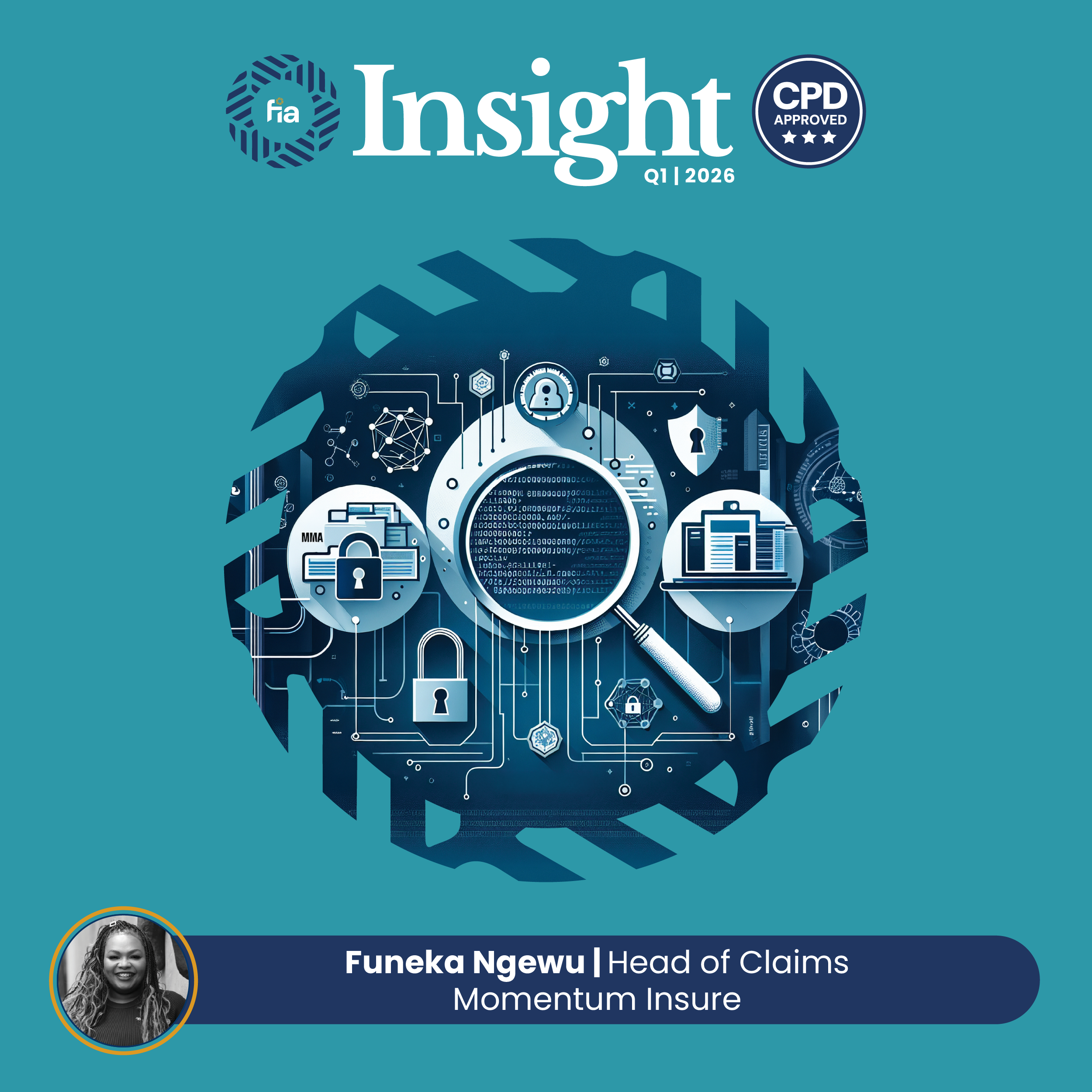
The short-term insurance industry is grappling with a double-edged sword: while the rapid digitalisation of services is driving efficiencies, it’s also enabling sophisticated criminal activity. Fraud is no longer an amateur pursuit – it’s now syndicated, institutionalised, and leveraging advanced technology like deepfakes and sophisticated AI to create highly convincing fake claims.
To protect honest policyholders from inflated premiums, the industry is under pressure to deploy powerful countermeasures. Artificial intelligence (AI) has emerged as a critical new ally in this endeavour, but its implementation raises a key question for the financial services sector: How do we determine where automation ends and human oversight must begin?
Proactive AI defence
Traditional, rule-based fraud detection systems are no match for today’s organised syndicates. AI offers a far more robust solution by deploying machine learning algorithms capable of analysing massive, complex datasets in real-time.
At Momentum Insure, we are operationalising AI at the core of our claims process, allowing us to shift from reactive investigation to proactive prevention. AI-driven models perform key functions that empower our claims experts – including rapidly analysing claims history, policy data, customer behaviour, and communication records to identify subtle predictive indicators of fraud that human assessors might miss. Models instantly score claims for suspicious activity by comparing current data against historical patterns of fraudulent and legitimate cases, allowing for the efficient allocation of investigative resources to highrisk cases while fast-tracking legitimate ones.
With the rise of digitally manipulated evidence, AI is essential for analysing claim-supporting evidence, such as damage photos, to check for inconsistencies in metadata, lighting, and object placement, effectively identifying fake images and media.
By automating the low-risk workflow and providing data-driven insights, AI is empowering claims teams to make smarter, faster, and more accurate decisions.
The ethical line
However, the power of AI must be carefully balanced with an unwavering commitment to fairness and customer experience. As an industry, we need to ask ourselves how much is too much?
Despite the technology’s capability to streamline low-complexity tasks, the core of insurance remains a human promise: providing financial security and emotional support during a time of crisis. While AI handles the data, a human touch remains non-negotiable for traumatic events like severe accidents or property damage. When clients suffer a loss, they first need to be treated with empathy and kindness before technical details are addressed. This human interaction is a key differentiator in customer service.
The implementation of AI carries a responsibility for transparency. As an industry, we must ensure that the algorithms driving decisions are fair and unbiased. To prevent algorithmic bias that could lead to unfair outcomes for policyholders, ethical oversight protocols need to be I mplemented, and models regularly audited.
The responsible deployment of AI is crucial. AI must empower insurers to make fairer decisions if we intend to reinforce the credibility of the industry. By mitigating the financial losses driven by fraud, we are ultimately protecting our policyholders and preventing rising premiums.
The future of the short-term insurance industry will be a partnership between sophisticated AI for detection and expert human assessors for empathy, judgment, and fair outcomes. This is the balance needed to solidify customer trust and effectively guard against the sophisticated fraud of tomorrow.