
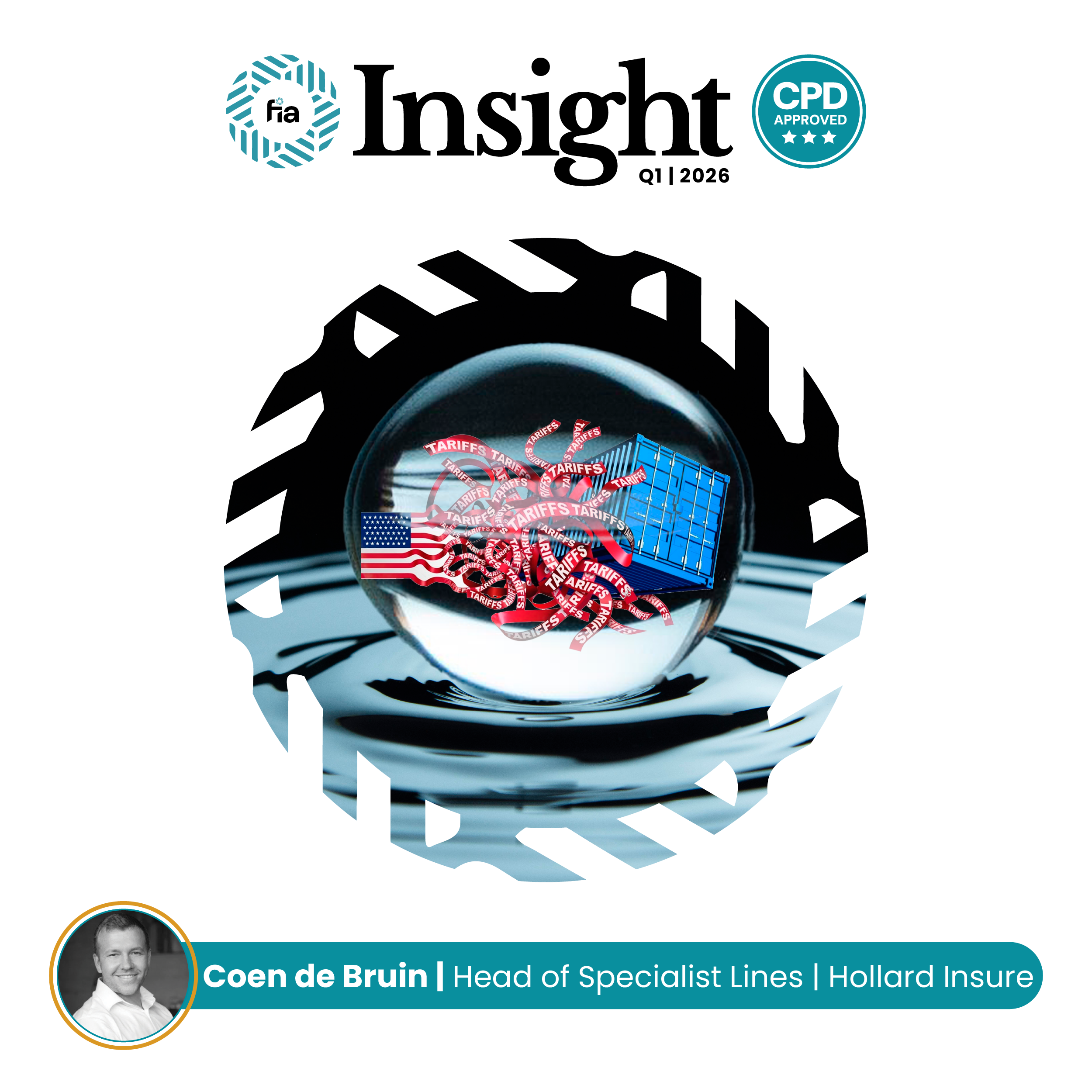
The simmering geopolitical discord, coupled with rapid developments in the renewable energy space, is expanding the risk architecture and redefining how insurers delineate and underwrite risk. The flip side is that these developments also present significant opportunities for brokers and insurers to provide bespoke and specialised products that can cushion the financial blows that stem from these exogenous factors and the adoption of yet-to-mature technologies.
For Hollard’s Specialist Lines division, the concern is not simply the geopolitical events themselves, but the cascading effects they can create across interconnected industries. Tariff adjustments, for example, may appear to be confined to national trade policy, yet they disrupt global shipping patterns, extend transit times and contribute to port congestion and offloading delays. These challenges heighten exposures across Marine, Engineering and Trade Credit insurance portfolios.
The consequences are visible. Perishable goods transported in refrigerated containers face greater risk of temperature variation during extended transit periods, which can lead to spoilage of large volumes of cargo and prohibitive losses for the shipment owner. Project cargo delays can slow construction timelines, while businesses that depend on international trade may encounter severe financial strain when long-planned commercial agreements collapse or critical supplies are compromised.
While these are direct impacts, the indirect effects are equally concerning. Companies anticipating delays or tariff spikes increasingly engage in “front loading” – importing goods earlier and at higher volumes to pre-empt disruption. Although rational from a business perspective, this in turn contributes to sudden volume surges, which strain logistics networks and infrastructure. This can have multiplier effects, resulting in container shortages, higher repositioning costs, and price volatility across imported goods – from machinery to motor parts – becoming more pronounced.
All of this highlights the need for specialised, forward-looking risk management solutions that not only protect against immediate losses but proactively strengthen operational resilience across the entire supply chain.
The rise of renewable energy risk
Alongside geopolitical shifts, emerging technologies in renewable energy are reshaping the Specialist Lines risk landscape. The declining cost of solar energy storage and related technologies has fuelled significant demand, especially as businesses seek stable energy alternatives to South Africa’s power shortages and rising electricity costs.
Roof-mounted solar installations, once outside the traditional realm of property risk, are increasingly exposed to hail damage and susceptible to combustion. Power storage generated by the solar panels carries even greater challenges: lithium-ion batteries are prone to thermal runaway.
Our risk management teams at Hollard are continuously exploring ways to effectively manage risks for clients. We conduct on-site surveys to help clients navigate and mitigate these exposures and develop appropriate safeguard mechanisms to offset this clear and present danger. To that end, we have launched tailored solutions, such as SPEAR, an Erection All Risk product specifically developed for the solar energy sector, which covers both installation and operational phases.
Keeping pace with global innovation
To stay ahead of these emerging challenges, Hollard’s Specialist Lines team draws on extensive international networks, research partnerships and global industry forums. With the backing of our global partner and one of the world’s largest insurance groups, Tokio Marine, we have been able to expand our capacity and tap into world-class expertise in this space. Tokio Marine’s specialist unit, TMGX, offers deep expertise across the renewable energy value chain, from marine transit and project construction to operational risks and carbon credit insurance.
As geopolitical uncertainty grows and new technologies redefine risk, this blend of global insight, technical ability, and diverse perspectives places Hollard in a strong position to support clients navigating an increasingly complex operating environment.