
A new year is a valuable opportunity to reset and refocus. As operations return to full pace, insurers and brokers take stock of what delivered strong results and where even greater consistency and efficiency can be achieved in the months ahead.
It’s during this period of renewed focus that the “everyday” claims deserve closer attention. Glass claims are often seen as quick and straightforward, but the reality is that early decisions can have a significant impact on the outcome – from customer experience and turnaround times, to safety, compliance, and long-term cost management. At PG Glass, we believe the best results come from getting the assessment and intervention right up-front, supported by the right expertise, standards, and technical capability.
As vehicle technology continues to evolve and expectations around safety and service rise, what was once considered routine now requires a more deliberate, informed approach and a partner that understands what’s at stake.
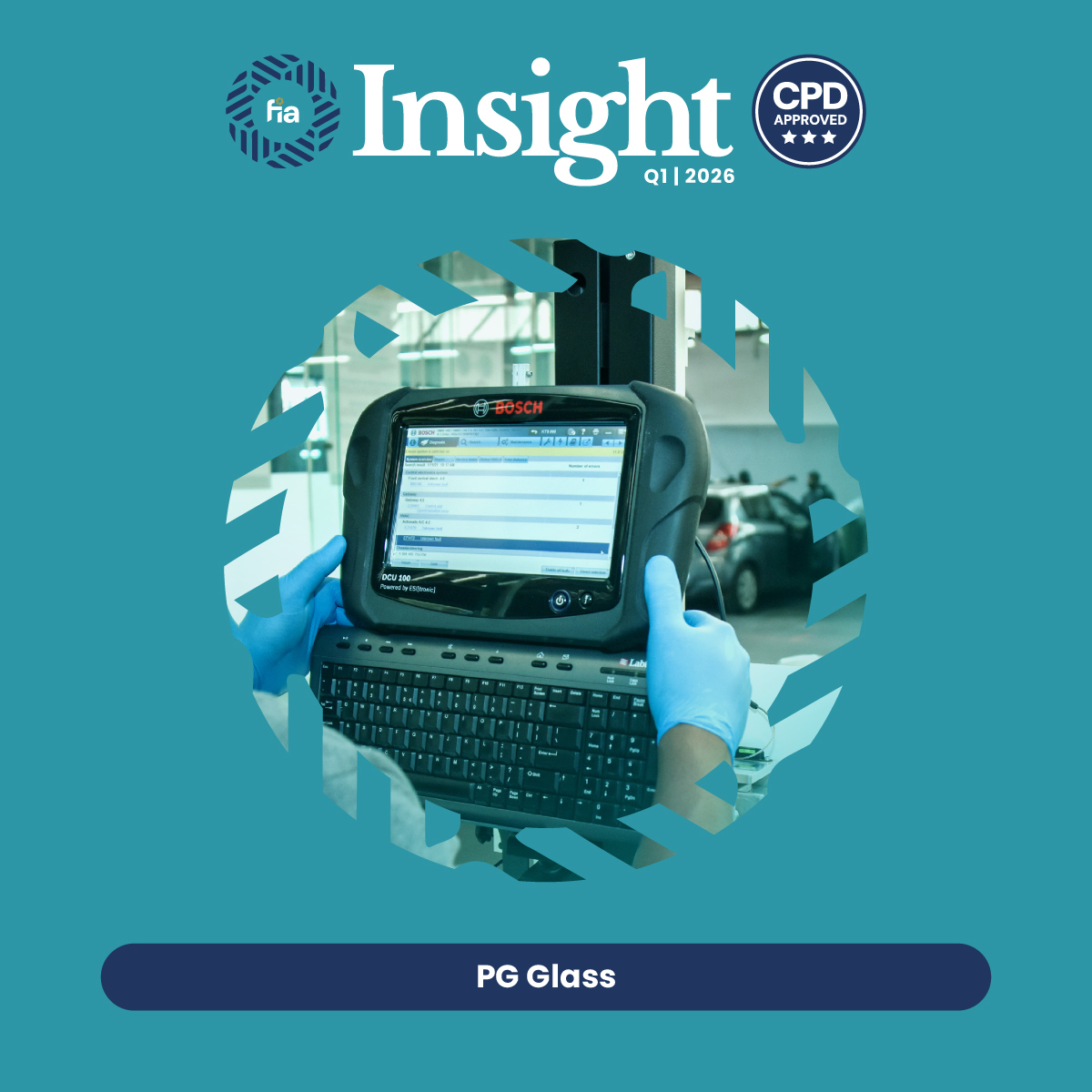
That’s why even the most “routine” claims deserve a second look. Modern vehicles and advanced safety systems installed in these vehicles mean there is far more involved than many realise. PG Glass takes a considered approach, focusing on accurate assessment, the correct repair or replace decision, and critical safety steps such as ADAS recalibration, helping insurers and policyholders achieve better outcomes from the very start.
Choosing the right intervention early
Not every windscreen damage requires a full replacement, but every damage should be assessed early. The first assessment is often where the outcome is decided. When damage is identified quickly and addressed promptly, a repair is frequently the safest and most cost-effective option. It helps maintain the windscreen’s integrity and reduces the risk of the damage spreading.
When action is delayed, however, even minor chips can develop into larger cracks. What could have been resolved with a simple repair may then require a full replacement, increasing downtime, disrupting the customer journey, and adding unnecessary cost to the claim.
Ultimately, the best results come from informed decision-making rather than one-size-fits-all – that is, knowing when a repair is appropriate, and recognising when replacement is the only responsible and safest option.
The windscreen is a safety feature, not just glass
What adds another layer of complexity is the role windscreens now play in modern vehicle safety. Modern windscreens do far more than keep wind and rain out. They are an important part of a vehicle’s safety design, contributing to structural strength and supporting key driver-assistance technologies such as Advanced Driver Assistance Systems (ADAS).
Many vehicles are fitted with ADAS, where cameras and sensors rely on the windscreen for accurate alignment and performance. This means even minor damage or a replacement that isn’t completed to the correct standard can affect how these systems operate.
When a windscreen is replaced, cameras and sensors may need to be recalibrated to ensure they function accurately. If recalibration is missed, incomplete, or performed incorrectly, safety systems that support braking, lane control, and collision avoidance may not operate as intended.
Getting the repair decision right, from accredited professional technicians and ensuring the correct technical steps are followed, is essential to protecting both driver safety and the quality of the claim outcome. For insurers and brokers, this shifts glass claims from being a simple cost decision to a broader safety and risk-management consideration.
The quality of the work matters, not only in how the vehicle looks when it leaves the fitment centre, but in how it performs on the road afterwards. That’s why technician capability, equipment standards, and adherence to correct procedures are so important. Inconsistencies may not be immediately visible, but they often surface later through repeat interventions, technical faults, or customer dissatisfaction.
In the end, quality isn’t a “nice-to-have” – it is now more critical than ever, as it directly influences claim efficiency, customer confidence, and safety.
Why the right partner matters
As glass claims become more technical, the value of choosing the right service partner becomes even more important. A trusted partner does more than replace a windscreen. They help improve outcomes by assessing damage accurately from the start, identifying safety-critical requirements such as ADAS recalibration, and ensuring work is completed in line with recognised standards and correct procedures. This creates greater consistency across fitment centres, clearer accountability throughout the claims process, and a smoother experience for everyone.
PG Glass has built long-term partnerships with insurers and brokers by investing in these essentials. With a nationwide network of more than 180 fitment centres, dedicated ADAS recalibration facilities, and ongoing technician training supported by global technology partners, PG Glass helps ensure glass claims are handled with precision, care, and reliability. In a service environment, where trust is earned through outcomes, partnership is essential. And the decisions made at the glass-claim stage often shape everything that follows.